Success Story: How a Relief Veterinarian Streamlined Clinic Relationships and Improved Shift Predictability with Serenity Vet
Approximately one in ten veterinarians now work in relief or contract roles, and between 2023 and 2026, the share of relief veterinarians increased by an estimated 60%. This career path has become an increasingly attractive option for professionals seeking greater control over their schedules, exposure to diverse practice environments, and stronger earning potential.
However, a new career path comes with new challenges: relief veterinarians have to independently source opportunities, manage negotiations, keep track of their financials, and handle the administrative responsibilities of running their own business. Without structured systems in place, these issues can offset the flexibility that initially draws many professionals to relief work.
With the right strategy, self-management, and purpose-built tools, these challenges can be significantly reduced — allowing relief veterinarians to fully realize the benefits of an independent professional path. Dr. Jake Rodgers, a relief veterinarian, is one example of how this career move can be successfully navigated.
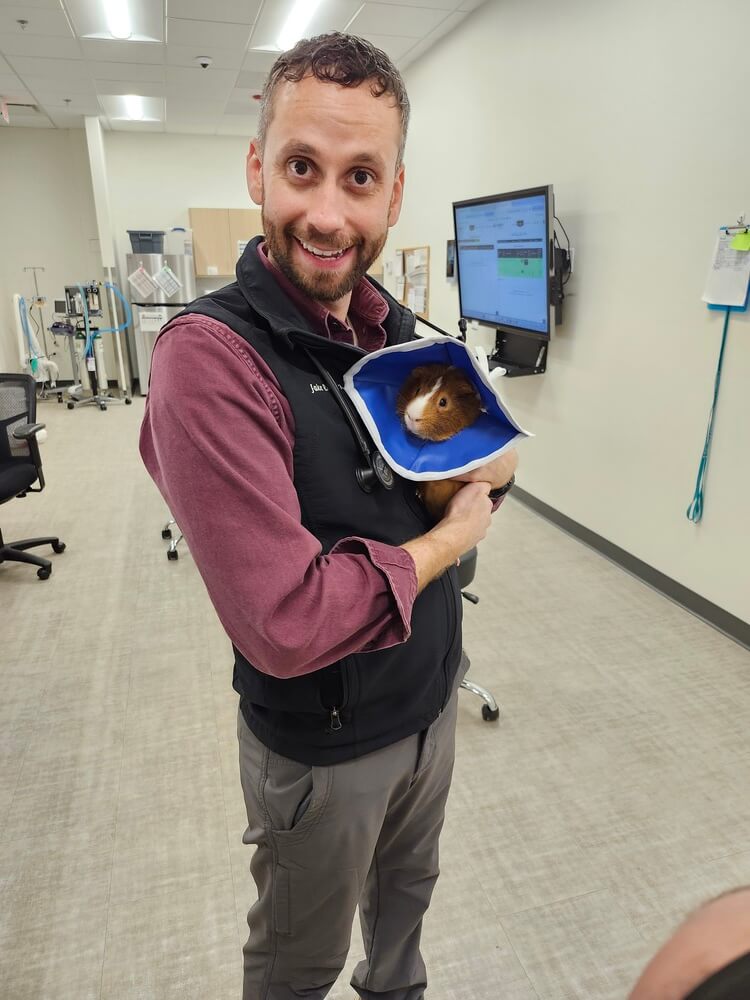
Jake began working relief in 2022, initially as a transition between full-time roles. And what started as a temporary arrangement quickly became a long-term career choice. Relief work gave him the flexibility to design his schedule and the autonomy to practice veterinary medicine in a way that aligned with his values and approach.
Challenge | Managing Multiple Clinics Without a Centralized System
Like many relief veterinarians, Jake relied primarily on word of mouth to find shifts. This approach created a steady flow of opportunities, but it also introduced operational challenges that grew as his business expanded: coordinating availability across clinics, negotiating shift terms, aligning expectations, and tracking requests.
From the start, he chose not to use relief marketplaces, believing he could earn significantly more by securing work independently. Staying in control was also an important priority for Jake, so he wanted to avoid predefined rates, placement fees, and other contractual limitations imposed by typical staffing platforms.
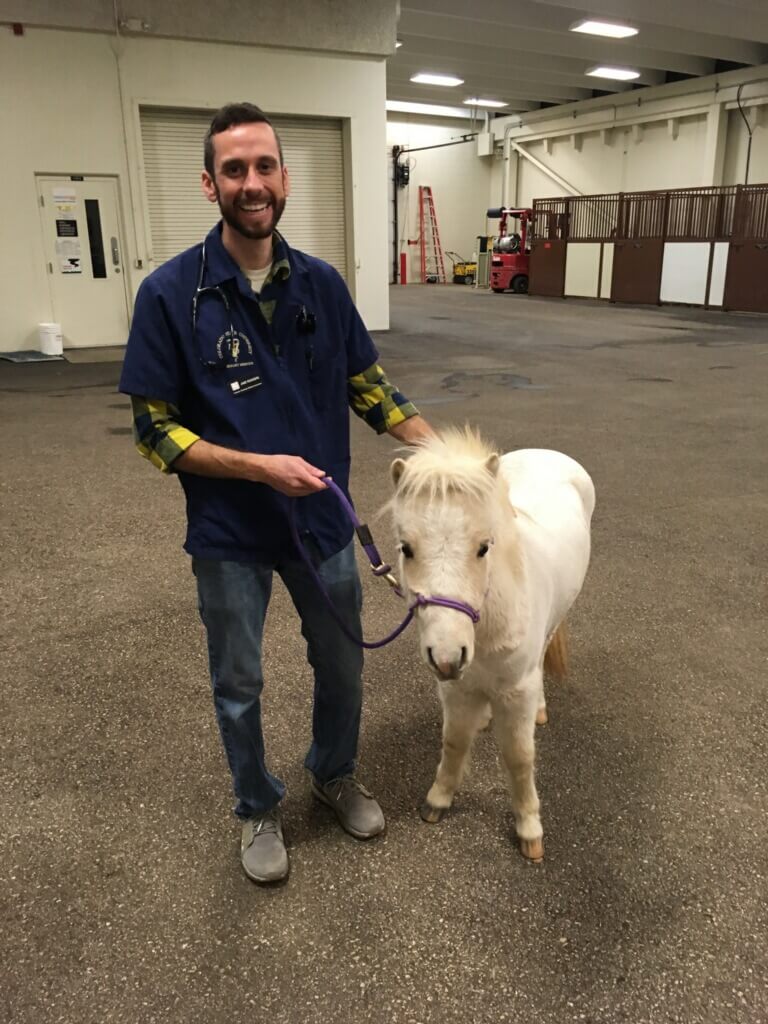
“I didn’t find enough value in using marketplaces. When I find shifts on my own, I can earn more and choose better options. I prefer not to feel obligated to take shifts based on a platform’s requirements rather than taking shifts that best align with my schedule, goals, and priorities,” comments Dr. Jake Rodgers.
To streamline the scheduling process, Jake built a website with an online calendar that allowed clinics to view his availability and request shifts directly. Though this solution became a life-changer for him, it did not reduce the chaos for clinics, which continued coordinating relief veterinarians across multiple communication channels. Instead of simplifying the workflows, the new system added another kind of complexity to the hiring process.
A couple of months ago, when searching online for relief opportunities in his area, Jake came across Serenity Vet, a platform that later became a major part of his relief business.
Solution | A Centralized Platform for Scheduling, Negotiation, and Network Building
Jake uses Serenity Vet to build a structured network of clinics, find shifts, and negotiate terms, while streamlining admin tasks – all within one platform.
Simplified Search for Shifts
Serenity Vet gives Jake a centralized, real-time overview of available shifts across practices in his area. Clinics in his network can also view his availability and invite him directly to opportunities. Instead of relying on fragmented communication channels or manually tracking opportunities, he can quickly identify openings that align with his schedule, professional goals, and financial expectations.
“I live in one of the most competitive markets for veterinarians, with the highest number of vets per capita in the U.S. As a result, most platforms offer limited opportunities in my area. I was impressed that Serenity Vet had available shifts locally with practices I could connect with,” says Jake.
Transparent Negotiation of Service Rates
Using Serenity Vet’s negotiation feature, Jake can discuss his rate with clinics directly so that it aligns with the scope of work and his desired compensation before confirming a shift. This creates clarity for both parties from the outset, reducing misunderstandings and supporting more sustainable working relationships. Clinics benefit from transparent communication, and Jake maintains control over his pay — enabling him to balance financial stability with the flexibility that originally drew him to relief work.
Building a Network of Trusted Clinics
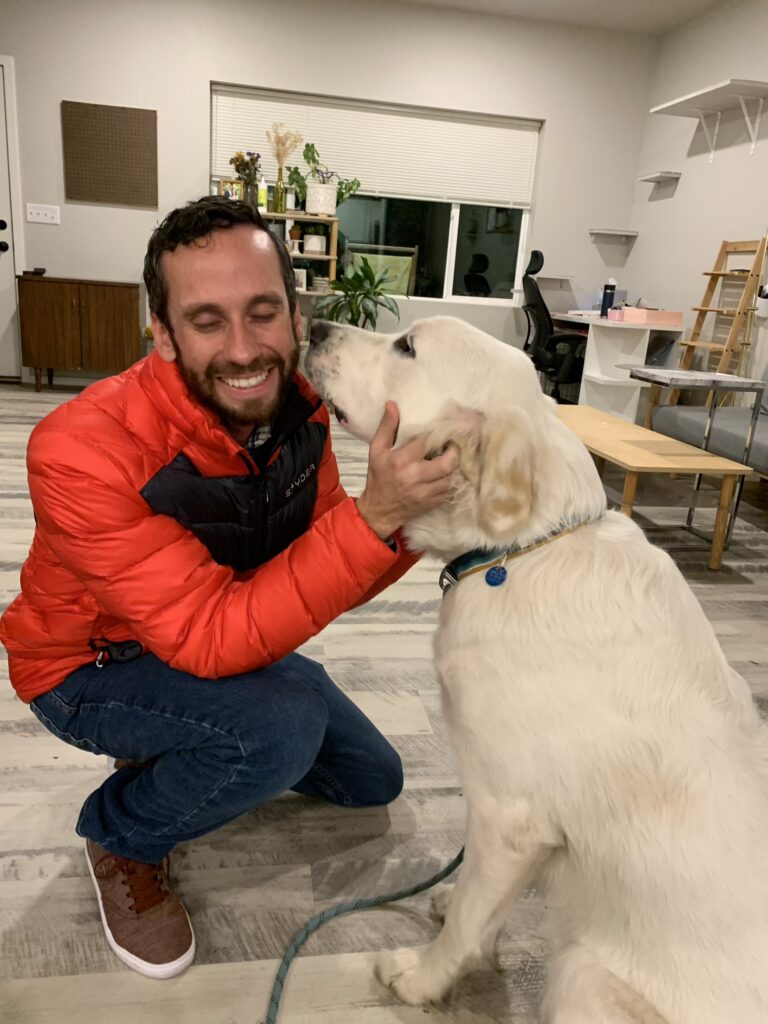
Serenity Vet enables Jake to manage his professional relationships on a single platform. Rather than juggling separate communication threads, calendars, and records across multiple tools, he can track opportunities, check clinic availability, and expand his professional network in a more structured way. At the same time, clinics are not charged any additional marketplace fees for shifts within their existing networks.
“Since working with Serenity Vet, I’ve really come to appreciate the value of a centralized network. Every relief veterinarian already has a network, but it’s usually fragmented and difficult to manage across different channels. With Serenity Vet, I can log in and see opportunities across multiple practices in one place, choose the ones that fit my schedule, and set my own rates. Over time, I’m also able to build a unified network that the platform tracks for me, making it easier to maintain and expand those relationships.”
Result | Less Time Spent Searching for Shifts, More Control Over Workflow
After integrating Serenity Vet into his work, Jake expanded the network of veterinary clinics he collaborates with and significantly reduced the administrative effort required to manage his workload. By centralizing shift discovery and communication, he decreased the time spent searching for opportunities and coordinating shift terms by several hours each week.
Beyond optimizing his own operations, Jake has also begun sharing his experience with colleagues and early-career veterinarians interested in pursuing relief work. By introducing peers to structured tools that support income planning and shift management, he helps reduce the uncertainty that often prevents veterinarians from exploring independent career paths.
“Some time ago, I started putting together a document I wish I’d had at the beginning of my relief career — with tips and tools on how to become a relief veterinarian, how to build processes from scratch, and how to stay efficient over time. Serenity Vet is already on that list. It’s a great tool for understanding your local market rates, finding available work, and communicating shift terms and rates. I think it removes a lot of the emotional burden of uncertainty and fear when you feel in control of your financials and aren’t locked into restrictive contracts,” shared Jake.